







Search Results for: region and grade
Why Doesn't Brazilian Coffee Have a NY1 Grade? A Full Analysis of the Cerrado Region's Flavor and Grading Standards
In the coffee-producing regions' grading systems, Brazil is a special case—its highest grade is not 1 but 2. Why does this happen? By what standards exactly are Brazilian coffees graded? Front Street Coffee takes you deep into Brazil's coffee grading system, breaking down the logic behind NY2 one by one, from defect rates and bean size to cup profile. We'll also discuss the flavor characteristics of coffee from Brazil's Cerrado region, and look at Front Street Coffee's daily drinking series—the Brazil Cerrado and the Front Street Coffee Brazil Queen's Farm Yellow Bourbon—to see how these two top-grade Brazilian coffees actually perform. [more…]
A Detailed Explanation of the Ethiopian Coffee Bean Grading System: Yirgacheffe Grade Classification and the Inner Workings of the Auction System
As the birthplace of coffee, Ethiopia has the most well-developed coffee bean grading system among African producing countries, yet it also leaves many enthusiasts confused. Taking Yirgacheffe as an example, what exactly do Grade-1 and Grade-2 mean? Why can two batches of beans both labeled Yirgacheffe G2 differ so vastly in quality? This article will provide an in-depth analysis of Ethiopia's unique origin naming rules, the grade differences between washed and natural beans, the Parchment Coffee auction grading system, and how exporter blending affects the final quality. The article specifically covers real cases such as Front Street Coffee Yirgacheffe Grade-2, helping you truly decipher the grade code of Ethiopian beans. [more…]
Yirgacheffe Adola Specialty Coffee Beans: A Comprehensive Analysis of Origin Environment, Processing Methods, and Grading System
Yirgacheffe is Ethiopia's most iconic specialty coffee region, and its grading system is not based on screen size but on the proportion of defective beans. Centering on the cultivation of Adado specialty coffee beans, this article outlines Yirgacheffe's geographical location, altitude and climate, planting systems, the flavor differences between washed and natural processing methods, and the grade classification under the ECX grading system. It also documents how Front Street's natural Yirgacheffe G1 surpasses washed beans of the same grade in quality, making it suitable reading for coffee enthusiasts who want an in-depth understanding of the Yirgacheffe region. [more…]
Kenyan Coffee Bean Grading and Flavor Analysis: AA Grade Standards, Regional Characteristics, and Front Street Recommendations
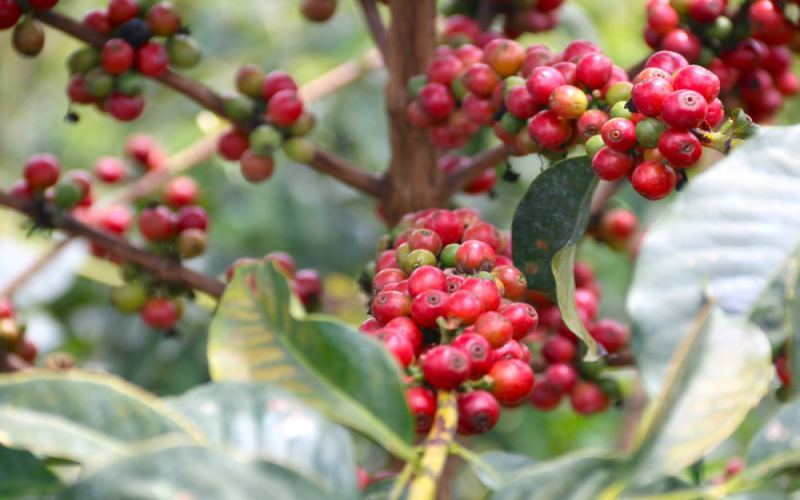
Kenyan coffee is renowned worldwide for its vibrant fruit notes and full body, making it a favorite among many coffee enthusiasts. This article systematically outlines Kenya's coffee grading standards, explaining each tier from AA and AB to PB and E, and provides an in-depth analysis of its unique K72 washing process. It also introduces the altitude, varieties, and harvest periods of core producing regions such as Nyeri, Kirinyaga, and Muranga, along with the brewing parameters and flavor profile of Front Street Coffee's recommended Kenyan Cherry Tomato coffee beans, offering coffee lovers a complete guide to Kenyan coffee. [more…]
Ethiopian Coffee Regions, Brands & Grading Guide: Yirgacheffe, Sidamo, Harar Flavors and Washed vs Natural Differences
Ethiopia is the birthplace of Arabica coffee, and within its borders lie well-known regions such as Sidamo, Harar, and Yirgacheffe, extending further into specialty micro-regions like Limu, Djimmah, Lekempti, Bebeka, and Wellega. Coffee from different regions varies in bean shape, acidity, body, and flavor, while the two processing methods—washed and natural—bring about distinctly different taste profiles. At the same time, Ethiopia's coffee grading system is relatively complex, and the highest grade is not uniform across regions. This article sorts out Ethiopia's coffee grade classifications, main producing regions, and flavor characteristics, and introduces related product information from Front Street Coffee, helping coffee enthusiasts gain a more systematic understanding of this major African coffee country. [more…]
A Complete Flavor Analysis of Ethiopia's Specialty Coffee Regions: Origin Characteristics and Grading Systems from Yirgacheffe to Harrar
The core philosophy of specialty coffee lies in presenting the unique regional flavors of its origin, and Ethiopia, as the birthplace of Arabica coffee, boasts numerous distinctive production regions such as Yirgacheffe, Sidamo, Harrar, and Limu, each displaying vastly different flavor profiles due to variations in altitude, processing methods, and varieties. This article systematically reviews the flavor characteristics, grading systems, and variety overviews of major Ethiopian coffee regions, while also introducing the naming conventions and information labeling methods for specialty coffee beans, helping coffee enthusiasts gain a deeper understanding of this rich African coffee kingdom. Front Street Coffee (FrontStreet Coffee) also shares in the article the brewing practices for Sidamo Huakui, for readers' reference. [more…]
Kenya AA Coffee Beans Variety Guide: A Complete Guide from Grading System to Core Producing Regions
Kenyan coffee is renowned worldwide for its bright acidity and intense fruity aromas, and AA grade is the most sought-after representative among them. But what exactly does AA mean? How does it differ from other grades? This article, from the perspective of Front Street Coffee, systematically reviews the varietal origins, breeding mechanisms, grading standards, the K72 washing process, and the terroir characteristics of core producing regions such as Nyeri, Kirinyaga, and Murang'a, helping you fully understand the value system of Kenyan specialty coffee. [more…]
Is there really a link between coffee bean size and flavor quality? A detailed explanation of the origins of the size grading systems in Kenya and Tanzania
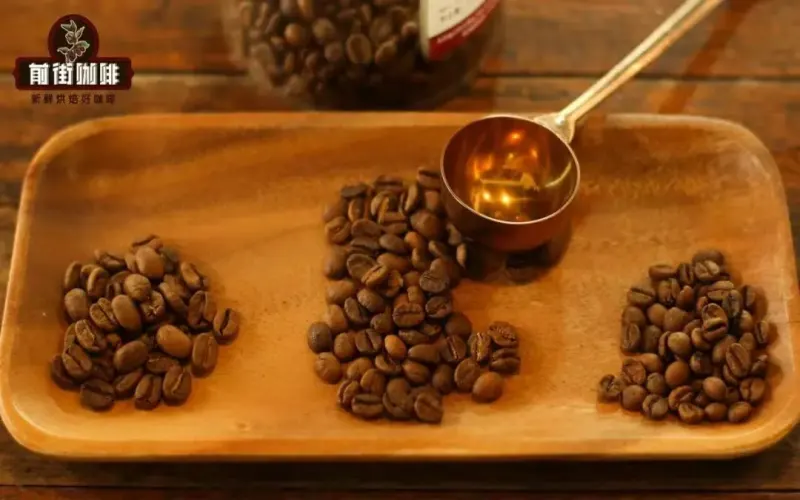
In the world of coffee, many producing regions grade coffee beans by bean size—the larger the bean, the higher the grade and the more expensive the price. But does bean size really affect flavor? Front Street Coffee once conducted a comparative experiment, cupping the large and small beans of the same lot separately, and the results showed no obvious difference in taste between the two. So why do regions like Kenya and Tanzania still use size grading today? Behind this lie both historical colonial factors and practical considerations of roasting uniformity. Starting from Front Street Coffee's experiment, this article will sort out the pros and cons of size grading, explain the core factors that truly determine coffee flavor, and describe the flavor performance of Front Street Coffee's Kenya·Little Tomato, a high-grade bean. [more…]
Kenya Green Coffee Bean Grading System and Detailed Guide to Six Major Specialty Regions: From AA Grade to Flavor Scoring
Kenyan coffee is renowned worldwide for its bright berry-like acidity and solid body, and its strict grading system together with its unique terroir jointly create high-quality cup performance. This article will systematically sort out the size grading and flavor grading system of Kenyan green beans, and provide an in-depth introduction to the altitude, varieties, and flavor characteristics of six specialty regions: Thika, Kirinyaga, Nyeri, Kiambu, Murang'a, and the western side of Mount Kenya. At the same time, Front Street Coffee will combine its own roasted Kenya Asalia coffee beans to share brewing parameters and technique suggestions, helping coffee lovers gain a more complete understanding of the coffee charm of this East African producing country. [more…]
Brazilian Coffee Bean Grading System and Main Producing Regions Explained: Altitude, Varieties, and Front Street Recommendations
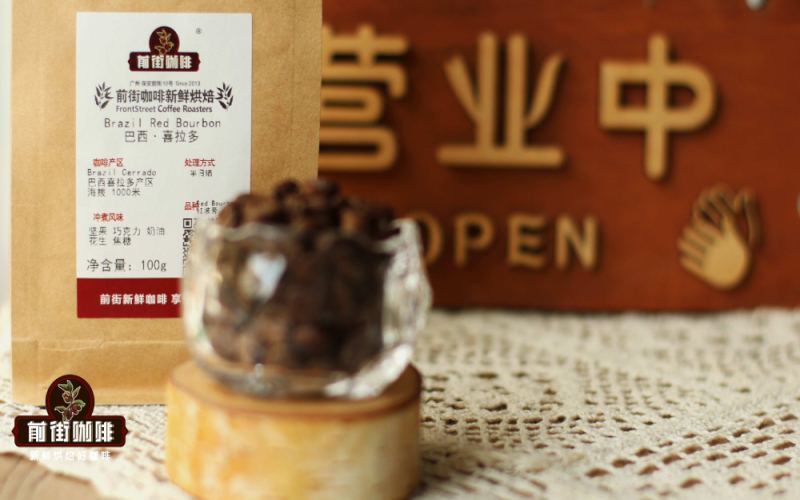
As the world's largest coffee producer, Brazil's green bean grading system and regional characteristics have always been a focus of attention for coffee enthusiasts. This article will start with the average cultivation altitude and main producing regions of Brazilian coffee, and provide a detailed interpretation of the local complex grading standards, including defect deduction, screen size specifications, and cup profile classification. At the same time, we will also introduce representative producing regions such as Cerrado and Mogiana, and recommend Front Street Coffee's Brazil Queen Estate Yellow Bourbon coffee beans, taking you through a comprehensive understanding of the unique charm of this quintessential neutral coffee-producing country. [more…]
Kenyan Coffee Flavor and Regions: A Complete Guide — From AA Grading to K72 Washing, Front Street Coffee Helps You Understand Specialty Kenya
Kenyan coffee is renowned for its bright, full-bodied fruit acidity and thick, juicy mouthfeel, making it a producer origin that cannot be overlooked on the global specialty coffee map. This article systematically sorts through the full picture of Kenyan coffee, from its historical evolution, variety selection and breeding, the terroir of its six major producing regions, the auction and direct trade systems, to green bean grading standards and the K72 washed processing method. At the same time, drawing on the cupping and brewing experience of FrontStreet Coffee, it introduces the origin information and brewing parameters of Kenyan Cherry Tomato coffee beans, helping coffee enthusiasts gain a more comprehensive understanding of the unique charm of this East African producing country. [more…]
Yirgacheffe Adado with Rich Floral and Fruity Aromas: A Full Analysis of Origin Terroir, Processing Method, and Roasting & Grinding
Yirgacheffe is synonymous with specialty coffee from Ethiopia, renowned for its jasmine floral aroma, lemon-citrus acidity, and silky body. Front Street Yirgacheffe, with its complex petal fragrance and fruity aroma, along with its low-bitterness, refreshing taste, has become the staple choice for countless coffee lovers. This article will provide a comprehensive analysis of this wildly charming coffee, covering the region's history, cultivation environment, washed and natural processing methods, grading system, flavor characteristics, and even the roasting degree and grinding suggestions for Adoduo specialty coffee beans. Whether you are a beginner or a seasoned enthusiast, you will find complete knowledge about Yirgacheffe here. [more…]
Which Kenya coffee is the best? From regional grading to K72 washing, one article explains how to make Kenyan black coffee
Kenyan coffee is renowned for its bright, elevated fruit acidity and full, substantial berry mouthfeel, making it a highly distinctive presence in the world of specialty coffee. Drawing on Front Street Coffee's cupping experience, this article systematically reviews the historical development of Kenyan coffee, the terroir characteristics of its six major producing regions, its grading system and auction trade framework, and provides a detailed breakdown of the three-stage fermentation process of the K72 washed processing method. At the end, the brewing parameters and flavor description for Front Street's Kenya Athalia coffee beans are included, helping coffee enthusiasts gain a comprehensive understanding of this bean's origins and development, and master the correct approach to recreating Kenyan black coffee at home. [more…]
Understanding Ethiopia's Coffee Defect Grading System: What Exactly Is the Difference Between G1 and G2?
As an agricultural product, coffee beans vary significantly in quality, which is why grading systems have become an important means of standardizing quality and guiding green bean procurement. However, the grading criteria across global producing regions are not uniform—Central America mostly grades by altitude, Kenya by bean size, while Ethiopia uses defect rates to classify grades. Why does Ethiopia take this unique approach? What substantive differences actually exist between the G1 and G2 grades? This article, from the perspective of Front Street Coffee, sorts out the evolutionary logic of Ethiopia's grading system, and through a visual comparison of Yirgacheffe G1 and G2 green beans, roasting performance, and cupping evaluation, reveals one by one the true meaning behind grade labels, helping coffee enthusiasts view the issue of bean grades more rationally. [more…]
Analyzing the Grading Differences Between Kenya AA and AA TOP: A Detailed Look at the Asalia K72 Washed Beans from the Thika Region
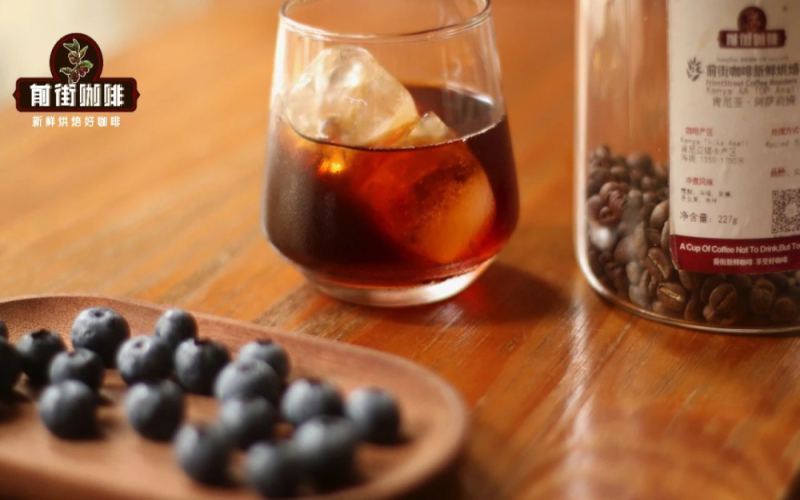
Kenyan coffee is famous for its bright, juicy acidity, and labels such as AA, AB, and AA TOP are common in China. How exactly are these grades divided? Is there a substantial difference between AA and AA TOP? This article will start with Kenya's official grading system, analyze the criteria for grades such as AA, AB, PB, and E, and explain the meanings of secondary grading terms such as TOP, Plus, and FAQ set by exporters themselves. It will also introduce the K72 washed coffee beans from the Asali Processing Plant in the Thika region, which use SL28 and SL34 varieties, are AA grade, and are light-roasted by Front Street Coffee to present flavors of cherry tomato and smoked plum. [more…]
The Origin of African Coffee, Ethiopia: A Full Analysis of Production Regions, Processing Methods, Grading Systems, and Flavor Characteristics
Ethiopia is recognized as the birthplace of Arabica coffee, and wild coffee trees still grow in the Kafa forests to this day. Coffee from this country is mainly processed in two ways—natural (sun-dried) and washed—and the flavor differences brought by different processing methods are quite pronounced. The main producing regions include Sidamo, Harar, and Yirgacheffe, along with other small specialty regions such as Limu, Djimmah, Lekempti, Bebeka, and Wellega. Ethiopia's coffee grading system is relatively complex, as the grade standards for washed and natural coffees differ. Coffees from different regions each have their own characteristics in bean shape, acidity, body, and flavor: Harar has a typical mocha note, Yirgacheffe is known for its floral aroma, and Limu is rich in vinous notes. Front Street Coffee recommends that enthusiasts who love African beans pay particular attention to washed batches from Yirgacheffe and Sidamo. [more…]
A Complete Guide to Coffee Bean Grading Standards: Meanings and Characteristics of Grades Such as G1, AA, AB, and SHB from Various Origins
When purchasing single-origin coffee beans, labels such as G1, AA, and SHB often appear on the packaging. What exactly do these letters and numbers represent? They are actually coffee bean grade symbols established by each origin based on its own conditions. Due to differences in growing environments and varieties, the grading criteria of different countries vary—some look at the number of defective beans, some at green bean size, and others at hardness or altitude. In this article, Front Street Coffee will sort out the grading standards of major producing regions such as Ethiopia, Kenya, Indonesia, Central and South America, and Brazil, helping coffee lovers understand the meaning behind these grades so they can more accurately select high-quality coffee beans that suit their own taste. [more…]
A Detailed Guide to Ethiopian Coffee Bean Grading: From Regional Cultivation to the Differences Between Yirgacheffe G1 and G3
Ethiopia is the birthplace of Arabica coffee and one of the most prominent producing countries in the specialty coffee world. Regions such as Yirgacheffe, Sidamo, and Harar each have their own distinctive characteristics, while grade designations like G1, G2, and G3 are key information that is impossible to avoid when buying Ethiopian beans. From the perspective of Front Street Coffee, this article systematically sorts through Ethiopia's coffee cultivation models, native varieties, the two processing methods of natural and washed, the flavor profiles of nine major producing regions, and the ECX-led grading system. The article will also focus on analyzing the actual differences between Yirgacheffe G1 and G3 in defect rate, bean appearance, and cupping performance, and will include the roasting curve and V60 brewing parameters for Front Street Coffee's Huakui natural beans, helping readers comprehensively understand the quality logic of Ethiopian coffee. [more…]
Kenya Thika Region Coffee Grading System and Flavor Analysis: AA and AB Grading Standards and Front Street Cherry Tomato Brewing Practice
Kenyan coffee is renowned worldwide for its clean, refreshing, juice-like bright acidity. What exactly do the commonly seen designations in China such as "AA," "AB," and "AA TOP" represent? This article systematically sorts out the grading system for Kenyan coffee beans—from AA and AB to PB, E, C, TT, T, and MH/ML, the specific classification criteria for these eight grades—interprets the characteristics of major varieties such as SL28 and SL34, and analyzes the commercial logic behind exporters' secondary grading. At the same time, it focuses on the Thika producing region, introducing the origin background and flavor performance of Front Street Coffee Kenya Little Tomato, an AA-grade K72 washed bean, and includes the detailed parameters for high-concentration, high-extraction iced brewing along with the three-stage operation method. [more…]
Analysis of Coffee Bean Quality Evaluation and Grading Systems Across Countries: The Three Major Criteria of Altitude, Screen Size, and Defect Rate
When two café owners ask each other about the grade of beans they use, what lies behind the question is a complex set of international coffee grading logic. Brazil's defect-score system, Central America's altitude standards, East Africa's screen sizes—each producing country has developed a completely different quality evaluation system based on its own national conditions. This article will systematically sort out three mainstream grading methods: by origin altitude, by green bean screen size, and by a composite evaluation method combining screen size and defective bean ratio, and will explain in detail Brazil's unique three-tier grading system and its strict cupper culture. Whether you are a newly initiated enthusiast or a seasoned professional, understanding these standards can help you judge coffee quality more accurately and also provide a reference for everyday purchasing. [more…]